
"Burundi coffee exports"
400 article(s) found

Burundian Coffee Flavor with Citrus and Plum Fruit Flavor
Burundi has the most diverse and successful coffee industry in the world, and has its own characteristics. Coffee in this country was introduced by Belgian colonists in 1930 and is now grown only on small farms. Unfortunately, many of these farms are on the border with war-torn Rwanda, putting pressure on coffee production. Coffee produced in Burundi.

Members of the International Coffee Organization: importing and exporting members
Angola Austria Austria Benin Benin Belgium / Luxembourg Belgium/Luxemburg Bolivia Bolivia UK Britain Brazil Brazil Cyprus Cyprus Burundi Burundi Denmark Denmark Cameroon Cameroon Finland Finland Central African Republic Central African R.

Burundian coffee bean flavor Burundian coffee beans Burundian coffee characteristics
Burundi coffee was introduced by Belgian colonists in 1930. Unfortunately, many of these farms are on the border with war-torn Rwanda, putting pressure on coffee production. Coffee production in Burundi: Burundian coffee is now grown only on small farms. Almost all the coffee produced in Burundi is Arabian coffee beans.

Burundian coffee bean flavor Burundian coffee beans Burundian coffee characteristics
Burundi coffee was introduced by Belgian colonists in 1930. Unfortunately, many of these farms are on the border with war-torn Rwanda, putting pressure on coffee production. Coffee production in Burundi: Burundian coffee is now grown only on small farms. Almost all the coffee produced in Burundi is Arabian coffee beans.

Global Coffee producing area Burundian Coffee Market
Burundi coffee was introduced by Belgian colonists in 1930. Unfortunately, many of these farms are on the border with war-torn Rwanda, putting pressure on coffee production. Coffee production in Burundi: Burundian coffee is now grown only on small farms. Almost all the coffee produced in Burundi is Arabian coffee beans.

Burundian Coffee producing area the characteristics of Burundian coffee
Burundi coffee was introduced by Belgian colonists in 1930. Unfortunately, many of these farms are on the border with war-torn Rwanda, putting pressure on coffee production. Coffee production in Burundi: Burundian coffee is now grown only on small farms. Almost all the coffee produced in Burundi is Arabian coffee beans.

Introduction to the characteristics of Burundian coffee beans
Burundi coffee was introduced by Belgian colonists in 1930. Unfortunately, many of these farms are on the border with war-torn Rwanda, putting pressure on coffee production. Coffee production in Burundi: Burundian coffee is now grown only on small farms. Almost all the coffee produced in Burundi is Arabian coffee beans.

Burundi Burundi Bulundi Champion processing Factory Coffee Fine Coffee in Cayanza Province
Burundi is located south of the equator in east-central Africa. It is bordered by Rwanda to the north, Tanzania to the east and south, Congo (Kinshasa) to the west, and Lake Tanganyika to the southwest. There are many plateaus and mountains in the territory, most of which are made up of the plateau on the east side of the East African Rift Valley. The national average elevation is 1600 meters, which is known as the mountain country. More than half of them are located in the famous Lake Tanganyika (Lake Tanganyika).

Burundi Coffee Flavor Description Variety Characteristics Grind Roast Degree Treatment Method Introduction
Burundi has two main ethnic groups, the Tutsi, who number only about one and a half, have ruled the country since the sixteenth century and control a civilian population composed mainly of Hutu, plus a very rare indigenous population of Twa. This abnormal social structure in which ethnic minorities occupy a high position has buried the evil seeds of national instability, and in 1
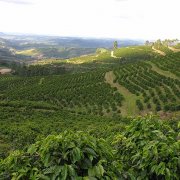
Introduction to the Future Development of Flavor and taste characteristics of African Burundian Coffee
Burundi is located in central Africa with a pleasant climate. Arabica coffee beans grown in the mountains of north-central Africa are of high quality and have won first prize and sixth place respectively in the coffee quality rating of Southeast African countries and the Paris Coffee Fair. According to the annual production of coffee beans in this country, the annual output is between 8000 and 35,000 tons, which is mainly sold to Europe.

Introduction to the flavor of boutique coffee beans in Burundian coffee manor with rich flavor
There are different flavors of coffee, so you can't drink three or four cups in a row like tea or cola, but the formal coffee cup is the best. The average amount of coffee to drink is 80-100cc. Sometimes if you want to drink three or four cups in a row, you have to dilute the concentration of coffee, or add a lot of milk, but you still have to consider the degree of physical needs to add or decrease coffee.

Flavor description of coffee producing area in Burundi introduction of variety producing area by manor taste treatment method
There are two major ethnic groups in Burundi, and only about 15% of the Tutsi have ruled the country since the 16th century, controlling the civilian population, which is mainly made up of Hutu, plus a very small number of aboriginal Twa. This minority

Are Burundian coffee beans suitable for siphon pot brewing? Coffee shop how much is a cup of Burundian coffee
Professional coffee knowledge exchange more coffee bean information please follow the coffee workshop (Wechat official account cafe_style) English name: Burundi Ngoma country: Burundi production area: Ngoma altitude: 1500m treatment: washing price: 85 yuan / half pound (● bean phase) We use a siphon pot to taste its flavor ~ (prepare brewing equipment) (after coffee bean grinding)

Qianjie Burundi Burundi Bulundi micro-batch sunburn bourbon grows single boutique coffee in Kayanza province
Factory name: Qianjie Cafe address: No. 10 Baoqian Street, Yuexiu District, Guangzhou City, contact: 20-38364473 shelf life: 90 net content: 227g Packaging: raw and ripe degree of coffee beans in bulk: origin of coffee beans: other / other roasting degree: moderate roasting Burundi Kayanza Kabuye Natural country: Burundi growth: 1750 meters production area: Kaya

Aromatic Burundi Coffee Flavor Description Grind Treatment Taste Characteristics Variety Introduction
Burundi has two main ethnic groups, the Tutsi, who number only about one and a half, have ruled the country since the sixteenth century and control a civilian population composed mainly of Hutu, plus a very rare indigenous population of Twa. This abnormal social structure in which ethnic minorities occupy a high position has buried the evil seeds of national instability, and in 1

Burundian Coffee the characteristics and flavor description of Burundian coffee
Burundi coffee was introduced by Belgian colonists in 1930. Unfortunately, many of these farms are on the border with war-torn Rwanda, putting pressure on coffee production. Coffee production in Burundi: Burundian coffee is now grown only on small farms. Almost all the coffee produced in Burundi is Arabian coffee beans.